An FASD Foster Care Case Study in Practice
When a child’s behaviour is repeatedly described as “defiant”, foster carers can be left carrying an unfair weight of responsibility. They may be trying every reward chart, routine and consequence they know, while the child becomes more overwhelmed and relationships at home begin to feel strained. This FASD foster care case study is a composite example, created to protect privacy, but it reflects experiences many carers recognise.
Foetal Alcohol Spectrum Disorder, or FASD, is a lifelong neurodevelopmental disability caused by prenatal alcohol exposure. It can affect memory, emotional regulation, communication, sensory processing, learning and the ability to connect cause with effect. A child may appear able to manage a task one day and be unable to do so the next. That inconsistency is often misunderstood. It is not a sign that they are choosing not to try.
A child who was seen as “not listening”
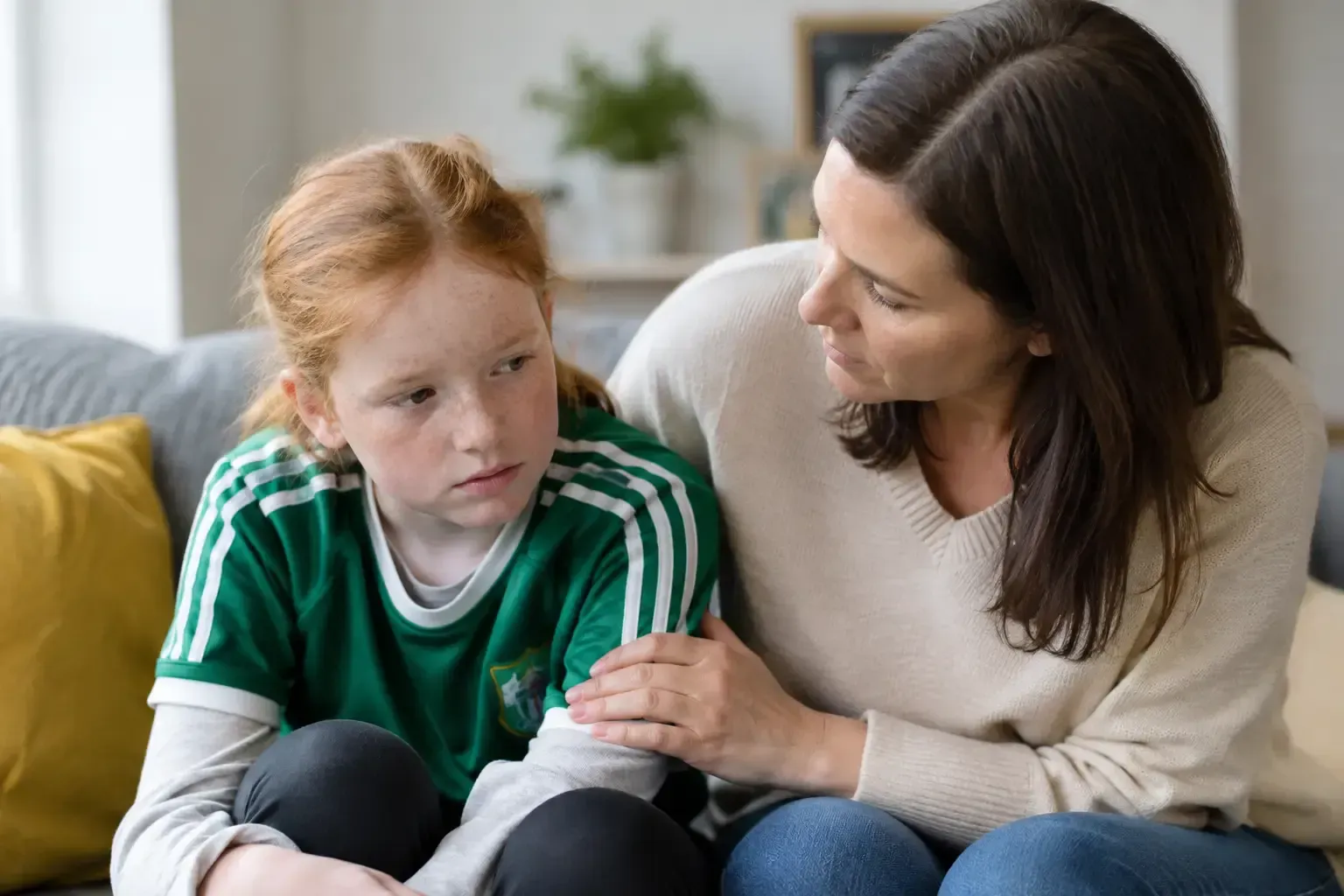
Leah was nine when she came to live with her foster carers, Niamh and David. She was warm, imaginative and eager to help with younger children. She also found everyday transitions extremely challenging. Getting ready for school could take more than an hour. A request such as “put on your shoes, get your coat and bring your bag” regularly ended in tears, shouting or Leah hiding under a table.
At school, Leah could be chatty and engaging in the morning, then become distressed after break time. Staff noted that she interrupted, left her seat and sometimes seemed not to remember instructions given only minutes earlier. At home, Niamh and David found that consequences did not change the pattern. Removing screen time after an incident often led to further distress, rather than reflection or repair.
The adults around Leah had different explanations. Some thought she needed firmer boundaries. Others wondered whether the placement was not working. Niamh and David felt that Leah was trying hard but could not explain what was going wrong. They were right to trust that observation.
Looking beyond behaviour
A turning point came when the foster carers and social worker began to look at Leah’s needs through a neurodevelopmental lens. Her early history included known prenatal alcohol exposure, along with experiences of instability and loss. Neither factor should be used to blame Leah or her family. Both were relevant to understanding the support she needed.
The team sought guidance on appropriate assessment and gathered information carefully from those who knew Leah well. They considered her development, health, education, sensory needs, communication and daily functioning. An FASD-informed approach did not mean assuming that every challenge was caused by FASD. Children can have overlapping needs, and assessment must be individual. It did mean asking a more useful question: what is Leah’s brain finding hard right now, and what adjustment will help?
This change in language mattered. Instead of saying Leah was refusing to follow instructions, adults began to say that she was becoming overloaded by multi-step demands. Instead of describing her as attention-seeking, they considered whether she was seeking connection, reassurance or help to regulate. This was not lowering expectations. It was making expectations accessible.
Small adjustments, real changes
Niamh and David introduced one instruction at a time, using calm, concrete words. They placed a simple visual sequence by the front door: shoes, coat, bag, car. Leah could point to each step or tick it off. The carers allowed extra time before leaving the house and reduced background noise during busy parts of the day.
They also changed how they responded after incidents. Rather than asking Leah to explain why she had done something while she was distressed, they focused first on safety and regulation. A drink of water, a familiar blanket, quiet time beside a trusted adult or a short walk could help her nervous system settle. Conversations about what happened took place later, using short sentences and no assumption that she would remember every detail.
At school, the class teacher and Special Needs Assistant agreed a consistent plan with the foster carers. Leah was offered a predictable check-in on arrival, visual reminders, movement breaks and a quiet place to reset before she reached crisis point. Instructions were broken into manageable parts. Where possible, staff checked understanding by asking Leah to show the first step, rather than asking, “Do you understand?”
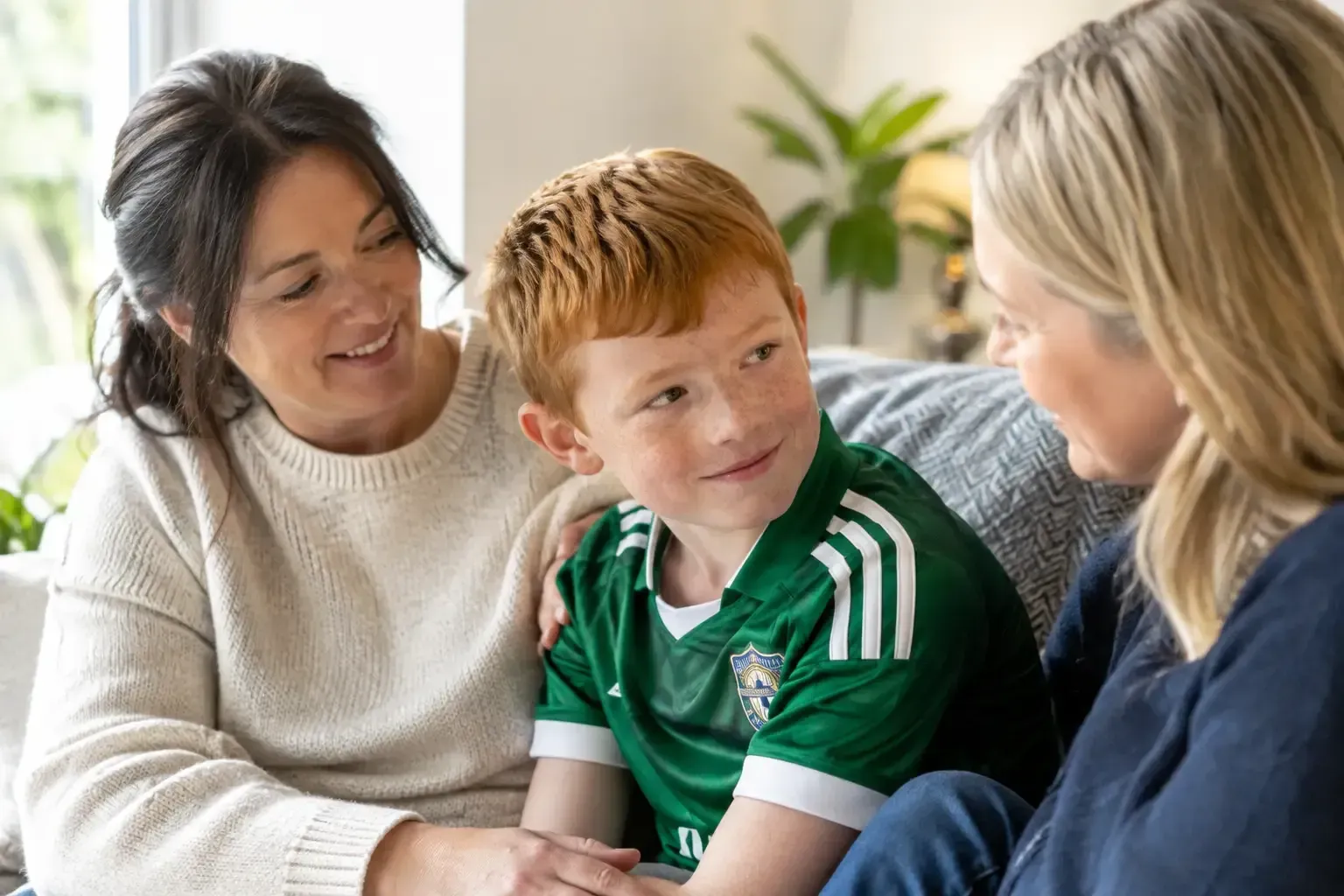
Within several weeks, mornings were not perfect, but they were calmer. Leah began reaching the car more often without becoming overwhelmed. At school, she spent more time in class and fewer moments in conflict. Most significantly, she started to say, “I need help with the next bit.” That was progress built on safety, not pressure.
What the case study teaches foster carers
There is no single foster care approach that works for every child affected by FASD. Age, trauma history, health, communication profile, placement stability and the support available to carers all make a difference. However, Leah’s story highlights several principles that can reduce daily challenges.
First, behaviour is communication. A child who is shouting, running away, lying, stealing food or refusing a request may be overwhelmed, anxious, confused, hungry, tired or unable to manage the demand. Curiosity is more helpful than judgement. “What happened before this?” can reveal a trigger that “Why did you do that?” cannot.
Second, memory challenges are real. Children with FASD may need information repeated kindly and consistently. They may agree to a rule and genuinely forget it later. External supports such as visual routines, labelled drawers, calendars and a predictable daily rhythm can reduce the demand on working memory.
Third, co-regulation comes before self-regulation. Many children need an adult’s calm presence before they can calm themselves. This may feel demanding, particularly when carers are exhausted, but it is not indulgence. It is a practical support for a developing nervous system.
Finally, strengths deserve as much attention as challenges. Leah’s love of helping, her creativity and her strong response to praise became useful foundations for learning. Building on strengths can increase confidence and belonging, while scaffolding areas of weakness with the right support.
Foster carers need support too
Foster carers are often asked to hold a great deal: appointments, school meetings, contact arrangements, paperwork, disrupted sleep and concern for a child’s future. When FASD is unrecognised, carers may also face criticism for strategies that others do not understand. You are not alone, and needing help does not mean you are failing.
A useful support network may include the child’s social worker, health professionals, school staff, Special Needs Assistants and trusted family members. It helps when everyone uses similar language and strategies, but this takes communication and time. Carers may need to advocate for FASD-specific training, practical adjustments and an appropriate assessment where prenatal alcohol exposure is known or suspected.
In Ireland, a clear written record of what helps can be particularly valuable at review meetings or when there are changes in school, placement or services. Note patterns as well as incidents: the times of day that are hardest, sensory triggers, successful calming strategies, what language works, and the child’s interests. This creates a fuller picture than a list of behaviours alone.
A more hopeful way forward
Leah did not stop having challenges. She still needed adults to slow down, repeat information and help her recover after overwhelming moments. But her foster carers no longer felt they had to choose between compassion and boundaries. They learned that structure works best when it is flexible, predictable and matched to the child in front of them.
For children affected by FASD, being understood can change the shape of daily life. The goal is not to make a child appear typical or to expect them to cope without support. It is to create safety, connection and realistic opportunities to grow. With informed support around them, foster carers can move from surviving each day to noticing the relationship, trust and confidence that are beginning to take root.
For more information...
Please contact FASD Hub Ireland on 065 670 3098 Open Monday to Friday 10am to 4pm. FASD Hub Ireland is a parent-led, peer-supportive, national telephone helpline provided by volunteers who have living experience of Foetal Alcohol Spectrum Disorder.
Other useful links: