FASD Policy Developments Families Need to See
A family should not have to become an expert in health, education, disability services and welfare simply to secure appropriate support for one child or adult. Yet this is often the reality. FASD policy developments matter because they shape whether people affected by Foetal Alcohol Spectrum Disorder are recognised early, understood properly and supported throughout life.
FASD is a lifelong neurodevelopmental disability associated with prenatal alcohol exposure. Its effects can include challenges with memory, learning, attention, sensory processing, communication, emotional regulation, planning and understanding consequences. Every person is different. Many have significant strengths, interests and abilities, but these need the right scaffolding to be seen and developed.
Policy can sound distant from daily family life. In practice, it determines whether a parent is listened to at an appointment, whether an adult can access a suitable assessment, whether a student receives adjustments that make learning possible, and whether professionals understand that behaviour may be communication rather than choice. Good policy changes systems. It should not simply ask families to work harder within systems that are already fragmented.
Recognition must lead to practical support
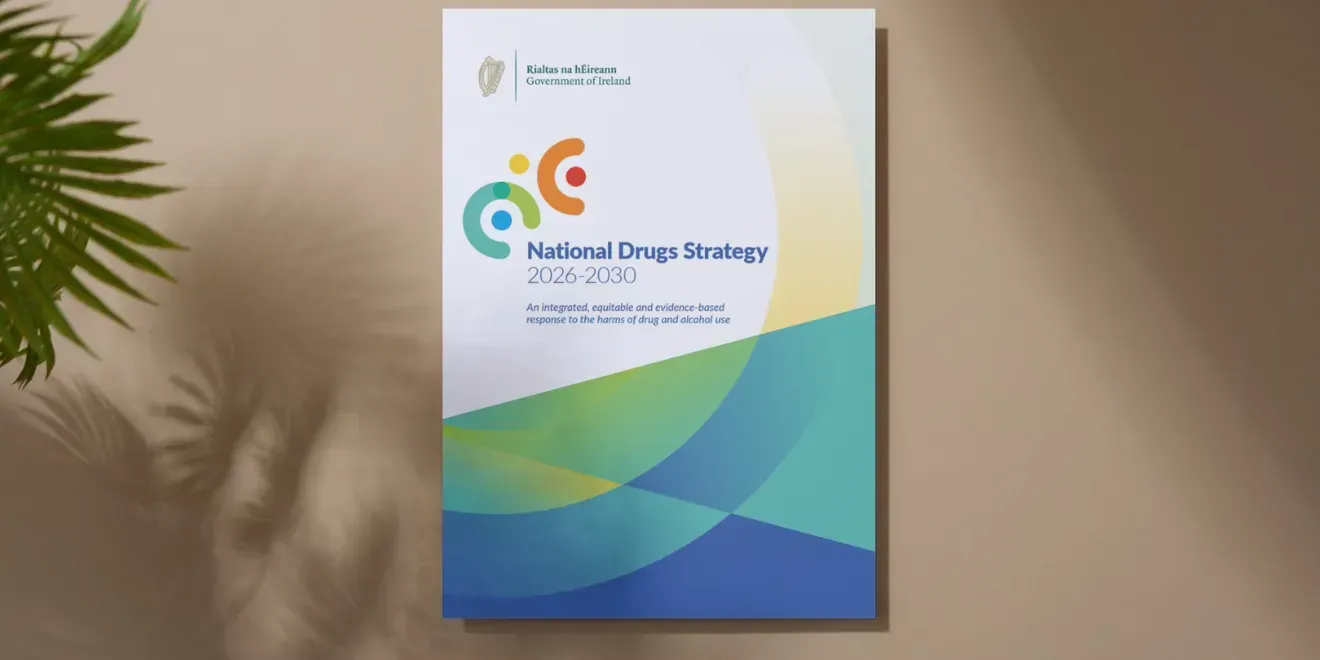
Awareness of FASD has grown, but awareness alone does not guarantee support. A poster campaign or a mention in a strategy can be a welcome starting point, particularly for prevention education, but families need clear routes to help after that recognition occurs.
Meaningful policy should set out who is responsible for what. Families need to know where to seek advice when they have concerns, how appropriate assessment can be accessed, what information should be gathered, and what support is available while they wait. This matters equally for children, young adults and adults whose needs may have been misunderstood for many years.
There is a particular risk when FASD is treated as an issue that belongs to only one service. It can fall between health, disability, education, child and family, mental health, justice and social protection systems. Each service may identify part of a person’s needs, while no one holds responsibility for the whole picture. Policy needs to join those pieces together.
A national approach should therefore include clear referral pathways, workforce training and named responsibilities across services. It should also ensure that a diagnosis is not treated as the end of the journey. Assessment should open the door to practical, strengths-based support.
Better assessment pathways, without new barriers
Appropriate assessment is often one of the most urgent concerns raised by families. They may have spent years seeking explanations for a pattern of challenges that does not fit neatly into one category. Delays can affect self-esteem, family wellbeing, school participation and access to appropriate supports.
Developments in policy should focus on making assessment pathways more consistent and accessible. This includes professional understanding of prenatal alcohol exposure, multidisciplinary input where needed, and careful consideration of the person’s developmental history and current presentation. FASD cannot be understood through a single appointment or a narrow checklist.
At the same time, a policy response must avoid creating further gatekeeping. Families should not be expected to produce information that is impossible to obtain, especially where a child has experienced care, adoption, kinship care or family separation. Lack of confirmed exposure history should never be used as a reason to dismiss a person’s needs. Support should be based on functional challenges and strengths, not on whether every detail of the past can be documented.
For adults, policy must recognise that late identification can be deeply significant. An assessment may provide language for lifelong experiences and help someone seek adjustments in education, employment, housing or healthcare. Adult pathways should not be an afterthought.
Education policy must understand the learner
For students with FASD, success is often less about trying harder and more about the environment being made understandable, predictable and supportive. Policy developments in education should make this reality visible.
A student may be verbally confident but still struggle to retain instructions, manage time, transfer learning from one setting to another or cope with sensory overload. These challenges can be missed when expectations are based on chronological age or apparent ability alone. A strengths-based plan looks beyond grades and behaviour to ask: what helps this student feel safe, regulated and able to learn?
Teachers and SNAs need access to FASD-specific training that translates knowledge into daily practice. Helpful adjustments may include short, concrete instructions; visual supports; repetition without shame; movement and sensory breaks; predictable routines; and calm responses when a student is overwhelmed. The right approach will depend on the individual, their age, their setting and what they find manageable.
Policy should also support genuine partnership with parents and carers. Families often know the strategies that reduce stress at home, but too often they are asked to repeat their story or prove the reality of their child’s needs. Shared planning, consistent communication and reasonable adjustments can prevent challenges from escalating.
Family voices belong at the policy table
The strongest FASD policy developments are not created about families without families. Parents, carers and adults with lived experience understand where the gaps appear: the referral that goes nowhere, the school meeting where needs are misunderstood, the crisis that could have been prevented by earlier support.
Lived experience should be built into policy design, implementation and review, with participation properly valued rather than treated as a token consultation. This also means listening to adoptive parents, foster carers, kinship carers, grandparents and wider family members, while respecting the privacy and dignity of people affected by FASD.
Language matters here. Prevention messaging must be clear that no amount of alcohol is known to be safe during pregnancy, while avoiding blame and stigma. People may have consumed alcohol before they knew they were pregnant, may have received incomplete advice, or may be living with complex circumstances. Judgement does not improve outcomes. Compassionate, evidence-informed prevention education and timely support do.
Lifelong support cannot stop at childhood
A common weakness in disability policy is the assumption that needs disappear when a person leaves school. FASD does not end at 18. In fact, transitions into further education, employment, independent living, parenting or adult services can expose gaps in support.
Adults may need information presented clearly, help attending appointments, support with budgeting or forms, workplace adjustments, advocacy and services that understand executive functioning challenges. They may also have remarkable skills, determination and insight that are overlooked when systems focus only on risk.
Good policy should plan transitions early and make supports flexible. Independence is not the same as being left alone. The most effective support may be a trusted person, a structured routine, practical reminders or a workplace willing to make reasonable adjustments. What is appropriate will vary from one person to another.
How families can judge whether change is meaningful
Not every announcement will make a practical difference straight away. Families and professionals can ask a few simple questions when new commitments are made. Is there a clear timeframe? Is funding attached? Who is accountable for delivery? Will training reach frontline staff? Are adults included? And, most importantly, will people affected by FASD find support more easily?
Progress should be measured by experiences, not just publications. Are families receiving respectful responses? Are students being supported before they reach crisis? Are adults able to access services that understand their needs? Are professionals confident enough to respond without judgement? Those are the outcomes that matter.
FASD Ireland knows that systems can feel overwhelming when you are already carrying the daily work of caring, advocating and holding a family together. You are not alone. Policy change can take time, but every informed conversation, trained professional and family voice helps build a community and a system that listens without judgement.
For more information...
Please contact FASD Hub Ireland on 065 670 3096. Open Monday to Friday, 10am to 4pm. FASD Hub Ireland is a parent-led, peer-supportive, national telephone helpline provided by volunteers who have lived experience of Foetal Alcohol Spectrum Disorder.