Is FASD a Disability? What Families Need to Know
When a child, young person or adult is struggling to manage everyday demands, families are often asked to explain needs repeatedly - at school, in appointments and when seeking practical help. So, is FASD a disability? Yes. Foetal Alcohol Spectrum Disorder (FASD) is a lifelong neurodevelopmental disability resulting from prenatal alcohol exposure. It can affect the way a person’s brain develops and how they manage daily life.
That definition matters, but it is not the whole story. Every person with FASD is different. Some needs may be highly visible, while others may be missed because the person speaks well, is friendly, or appears able to cope for short periods. Support should be based on the person in front of us: their strengths, their challenges and the barriers they meet in everyday environments.
What does lifelong neurodevelopmental disability mean?
FASD can affect brain-based skills used throughout life. These may include memory, attention, planning, organisation, communication, emotional regulation, sensory processing, understanding consequences, managing money or time, and coping with change. A person may know a rule one day and struggle to apply it in a busy, stressful or unfamiliar situation the next.
This is not a matter of unwillingness, poor parenting or a lack of effort. It reflects differences in brain development. Expectations that rely on a person simply trying harder can increase shame and distress, particularly when needs have not been recognised.
A lifelong disability does not mean a person cannot learn, contribute, enjoy relationships or build a meaningful life. People with FASD have abilities, interests and hopes like everyone else. The difference comes when environments, communication and expectations are adapted so that those strengths can grow. Consistent support, practical scaffolding and compassionate relationships can make a profound difference.
Is FASD recognised as a disability in Ireland?
FASD can meet the definition of disability used across many Irish services and legal settings because it is a lifelong complex and challenging condition that may substantially affect day-to-day activities. However, access to a particular support, scheme or accommodation is rarely decided by a diagnosis alone. Each service may have its own criteria and assessment process.
In practice, this means it can be helpful to describe functional needs clearly. Rather than only saying that a person has FASD, explain what support helps them to participate. For example, they may need instructions given one step at a time, reminders that do not rely on memory, extra processing time, a calm space, visual routines, help with transitions or support to understand forms and appointments.
This approach can be especially important where a person is awaiting an appropriate assessment or diagnosis. Their needs are real now. Families should not have to wait for a label before a student is offered reasonable, needs-led support, or before an adult is treated with dignity and understanding.
Diagnosis and disability are not the same thing
A diagnosis identifies a health condition through an appropriate clinical assessment. Disability describes the impact a condition may have on a person’s ability to take part in daily life, particularly where systems and environments do not meet their needs. These ideas overlap, but they are not interchangeable.
Not everyone with prenatal alcohol exposure has FASD. FASD should only be diagnosed through an appropriate assessment by professionals with relevant knowledge and experience. Equally, a person can have significant additional needs even when diagnosis is not yet available, incomplete or complicated by other experiences and conditions.
Many people affected by FASD have faced trauma, disrupted care, mental health challenges, learning differences or other diagnoses. None of this makes FASD less relevant. It does mean that support needs to be thoughtful and person-centred, rather than based on assumptions about one diagnosis.
Why recognition can make a difference
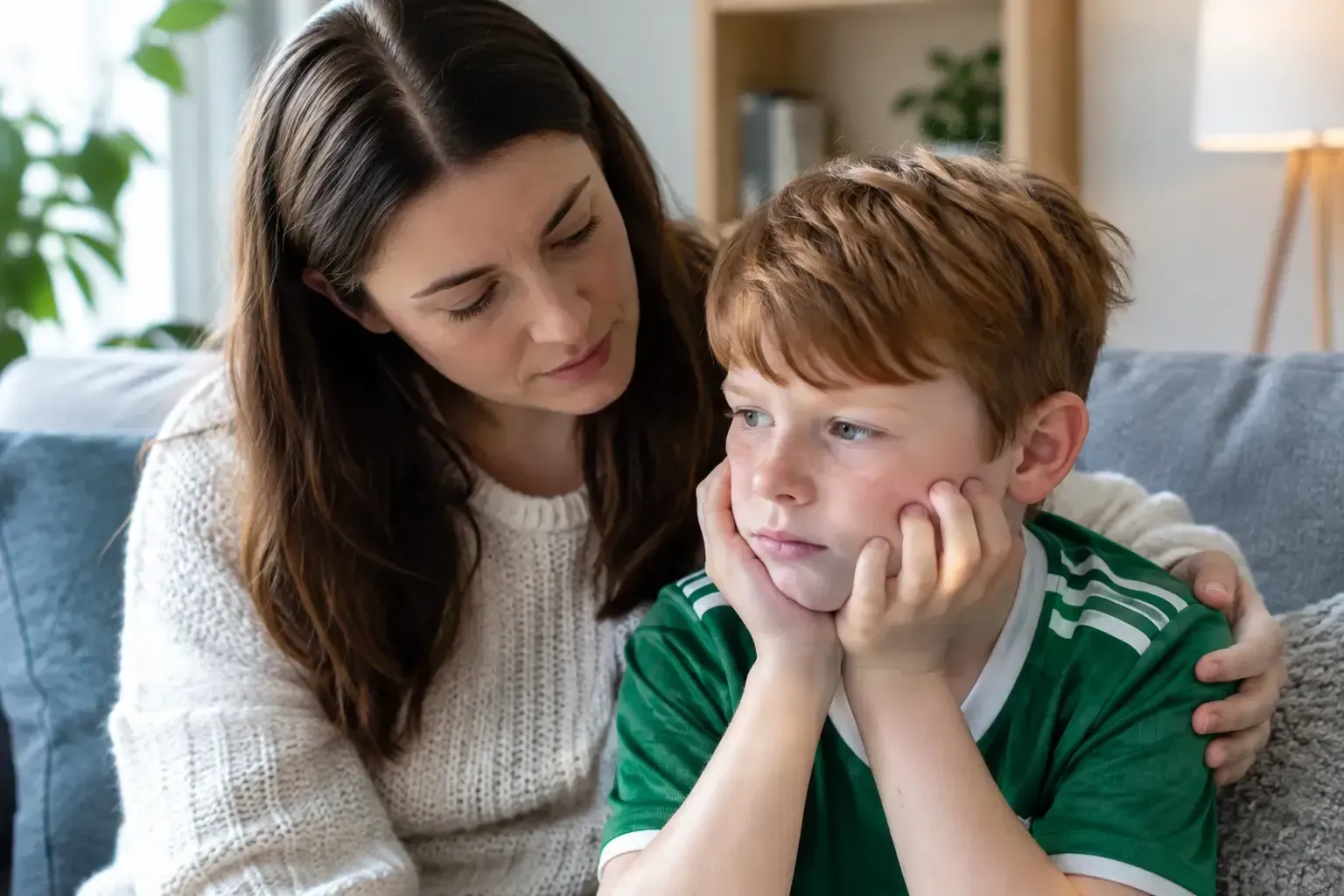
For families, recognition can bring relief after years of being told that a child is naughty, defiant, lazy or simply not trying. For adults, it can offer a more accurate explanation for lifelong challenges that may have been misunderstood. Recognition does not change who a person is. It can change how others respond to them.
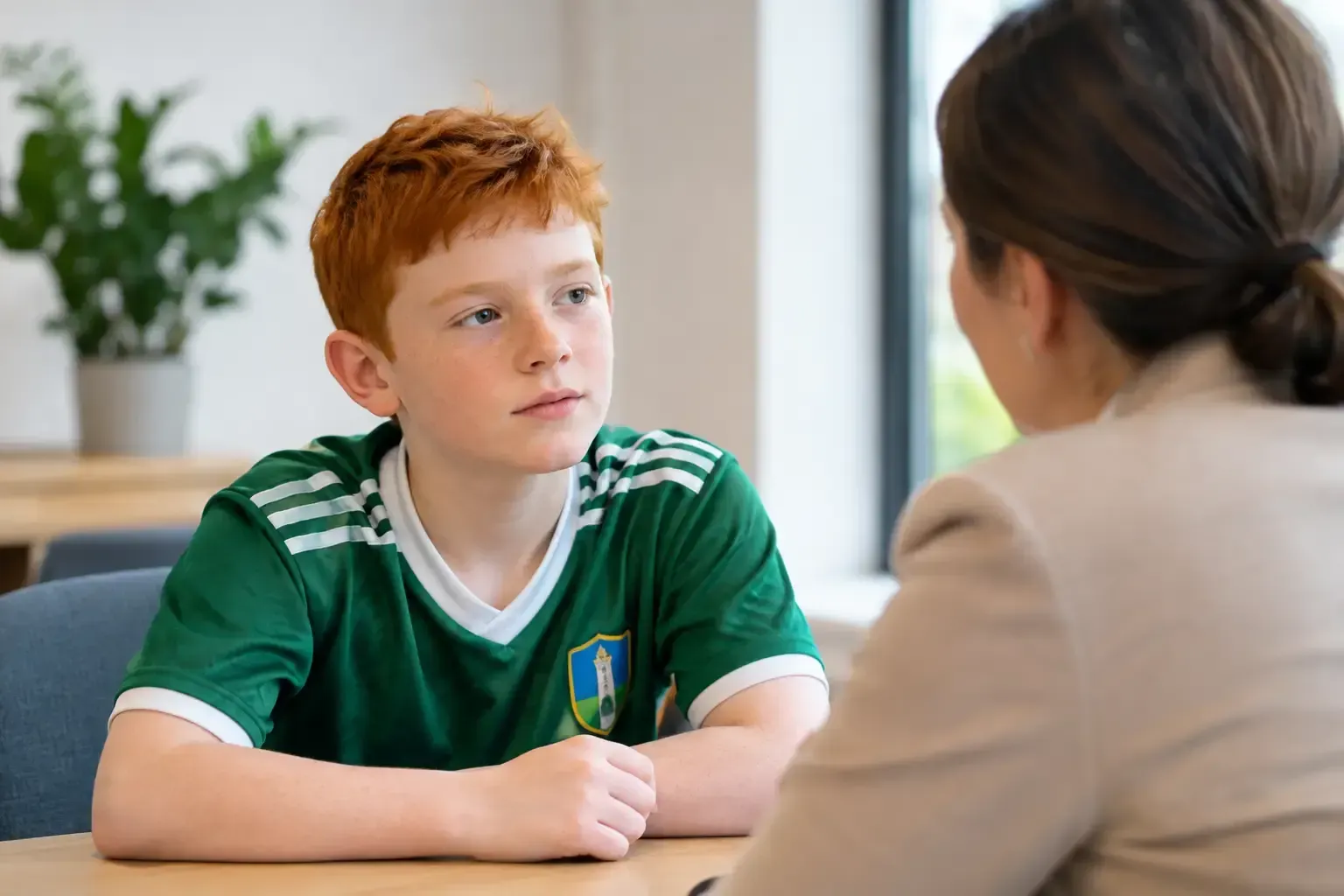
In education, a strengths-based understanding of FASD can help teachers and SNAs or Special Needs Assistants move away from approaches that punish disability-related behaviour. A student who repeatedly forgets equipment may need a visual checklist and spare materials. A student who becomes overwhelmed at lunchtime may need a planned quiet option. A young person who agrees to something without understanding may need language checked gently and privately.
At work, in healthcare, welfare, housing or legal settings, adjustments can reduce preventable harm. Clear written information, a trusted support person, flexible communication, reminders and extra time are often simple changes. They may be the difference between a person being viewed as non-compliant and being genuinely able to take part.
Support should follow needs, not stereotypes
There is no single FASD profile. One person may have significant sensory needs and little awareness of danger. Another may manage well at work but become exhausted by social demands and paperwork. Someone may appear independent while relying heavily on family members to organise food, travel, appointments and finances.
Because many challenges are hidden, people with FASD are sometimes expected to cope at a level beyond their current capacity. This can lead to cycles of anxiety, exclusion, conflict and burnout. Looking beneath behaviour is kinder and more effective. Ask what may be making the task hard: Is the language too complex? Is the environment too noisy? Has the routine changed? Is the person overloaded, hungry, tired or worried?
Support is not about lowering all expectations. It is about making expectations achievable. Break tasks into smaller steps, offer choices without overwhelming, use concrete language, practise skills in the setting where they are needed and keep routines predictable where possible. Build on what is working. A person’s interests, humour, creativity, determination and connection with trusted people are valuable starting points.
What families and professionals can do next
If you think FASD may explain a child’s or adult’s needs, begin by recording everyday examples. Note what is going well, what situations bring challenge, what support has helped and what happens when demands become too great. This can make conversations with schools, health professionals and services more specific.
You can also ask for needs-led supports while considering assessment pathways. Families may need help to understand diagnosis, education supports, welfare concerns, family stress or how to advocate without having to become an expert overnight. Professionals can make a meaningful difference by listening to carers and to people with lived experience, and by seeking FASD-specific training rather than relying on general assumptions.
FASD Ireland understands that these conversations can carry grief, uncertainty and fear of judgement. You are not alone, and you do not need to have every answer before reaching out. A community that listens without judgement can help families find language for what they are seeing and practical ways forward.
A more understanding response starts here
Calling FASD a disability should never be used to limit a person or decide what their future will be. It should open the door to recognition, appropriate support and more compassionate expectations. When we understand that FASD is a lifelong neurodevelopmental disability, we can stop asking why someone cannot simply cope and start asking what will help them thrive.
For more information...
Please contact FASD Hub Ireland on 065 670 3096 Open Monday to Friday 10am to 4pm. FASD Hub Ireland is a parent led, peer supportive, national telephone helpline provided by volunteers who have living experience of Foetal Alcohol Spectrum Disorder.